Can Invisalign Calabasas CA Fix Crooked Front Teeth?
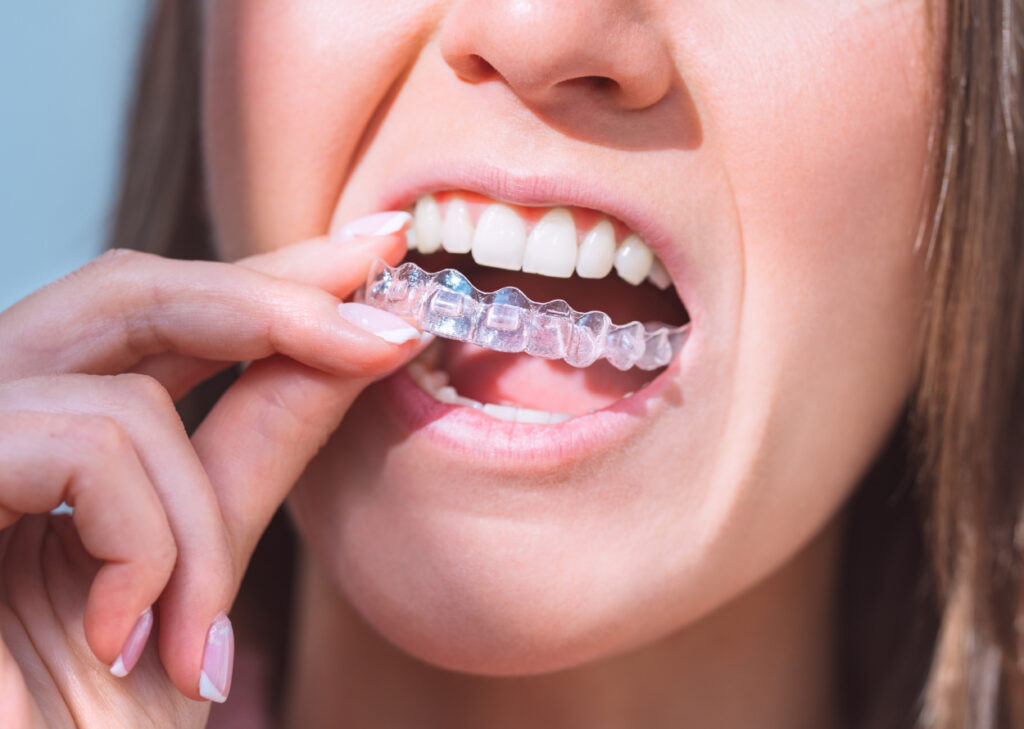
Crooked front teeth are the complaint people mention first, often before they talk about bite problems, crowding in the back, or jaw discomfort. That makes sense. Front teeth are what you see in photos, on video calls, and in the mirror every morning. Even mild overlap or rotation can draw the eye, especially when the rest of the smile looks fairly even.
The short answer is yes, Invisalign can often fix crooked front teeth. In many cases, it does so very well. But that simple answer hides the details that matter. The degree of crowding, the way the roots sit in the bone, the bite relationship between the upper and lower teeth, and the patient’s consistency with wear all affect the outcome. For some people, clear aligners are the cleanest and most comfortable path to a straighter smile. For others, they work, but only with attachments, enamel shaping, refinements, or a longer treatment timeline than expected. And for a smaller group, braces or another orthodontic approach may still be the better fit.
If you are considering Invisalign Calabasas CA treatment for crooked front teeth, it helps to know what aligners can correct predictably, what tends to be more challenging, and how a qualified provider evaluates your case before promising results.
Why front teeth often seem like a simple problem, but are not always simple
People commonly say, “It’s just one tooth in front,” as if the fix should be quick and purely cosmetic. Sometimes that is true. A slight rotation of a lateral incisor or mild overlap of the lower front teeth may respond nicely to a short aligner plan. Yet teeth do not move in isolation. A front tooth that looks crooked may be compensating for a narrow arch, deep bite, missing space, or a jaw relationship that developed over years.
A practical example helps. Imagine an upper central incisor that sits slightly behind the neighboring tooth. To pull it forward, the dentist or orthodontist needs room. If there is no space in the arch, that room has to come from somewhere. It may come from widening the arch modestly, reducing tiny amounts of enamel between select teeth, or moving several teeth in sequence so the front one can settle into position. What looks like a one-tooth issue on the surface often turns into full-arch planning underneath.
That is one reason reputable providers do not base recommendations on a selfie or a glance across the room. They look at photos, digital scans, bite records, and usually X-rays before deciding whether Invisalign is suitable and how complex the treatment really is.
What Invisalign does well for crooked front teeth
Clear aligners are especially good at controlled, gradual tooth movement when the case is mild to moderate and the patient wears the trays as instructed. For front teeth, that often means correcting visible crowding, small gaps, mild rotations, and teeth that tilt slightly in or out.
When treatment is planned carefully, Invisalign can improve smile symmetry in a very natural way. The trays apply gentle pressure in stages. Each set moves teeth a fraction at a time, and that stepwise movement is one of the system’s strengths. Front teeth are also highly visible, so patients tend to notice improvements early, which can make the process feel rewarding.
In everyday practice, some of the most satisfying Invisalign cases involve adults who had braces years ago and experienced minor relapse. A lower front tooth starts to overlap. One upper tooth rotates a bit. The bite is mostly stable, but the smile no longer looks crisp. These patients often do very well with aligners because the movements needed are limited and the supporting anatomy is already fairly favorable.
Another strong use case is mild crowding in teens and adults who want a less noticeable option than braces. Provided the bite is compatible and compliance is good, aligners can straighten front teeth effectively while fitting into work, school, and social routines with minimal disruption.
When crooked front teeth are harder to fix with aligners
Not every front-tooth problem is a straightforward aligner case. More severe rotations can be stubborn. Teeth that are significantly overlapped may require more space creation than patients expect. Deep bites, where the upper front teeth excessively cover the lowers, can also complicate treatment because the lower teeth may not have room to move without addressing the vertical relationship first.
Root position matters too. A tooth crown may appear only mildly crooked while the root is angled more dramatically. Moving roots through bone requires precise control and time. That does not automatically rule out Invisalign, but it does mean the treatment may be more involved. Attachments, those small tooth-colored shapes bonded to the teeth, often become part of the plan because they help the trays grip and direct movement more predictably.
There is also the issue of tracking. Aligners only work if the teeth follow the programmed sequence closely. If trays are not worn long enough each day, or if a difficult tooth lags behind, the aligners can stop fitting properly. Front teeth, especially rotated incisors, sometimes need refinements even in otherwise uncomplicated cases. Refinements are not a sign that treatment failed. They are common and often necessary to polish the final result. Still, patients should know from the start that the original estimate is not always the final number of trays.
A realistic look at candidacy
The best candidates for Invisalign Calabasas CA treatment of crooked front teeth usually share a few traits. Their crowding is mild to moderate, their gums and bone support are healthy, their bite can be managed Invisalign Calabasas CA with aligners, and they are reliable about wearing trays 20 to 22 hours a day.
Here are the cases where Invisalign is often a strong option:
- Mild to moderate crowding of the upper or lower front teeth
- Small gaps or minor rotations affecting smile appearance
- Relapse after previous orthodontic treatment
- Patients who can commit to consistent daily wear
- Situations where the bite needs only limited correction alongside alignment
That last point matters more than many people realize. If the bite is significantly off, front teeth can be straightened cosmetically but still end up unstable or functionally compromised. The ideal treatment does both, it improves appearance and supports a healthy bite.
The consultation matters more than the brand name
Patients often focus on the aligner system itself, but the provider’s judgment is just as important as the trays. Invisalign is a tool. A good result depends on diagnosis, case selection, treatment planning, and monitoring. Two offices can use the same aligner brand and produce very different experiences.
A careful consultation should go beyond “yes, you are a candidate.” It should explain what is being corrected, what may limit the outcome, and whether additional procedures are likely. In some cases, tiny amounts of enamel are polished between teeth to create space. In others, attachments are placed on Invisalign Calabasas CA visible front teeth, which some patients do not anticipate. Sometimes elastics are recommended to improve bite relationships. None of that is unusual, but it should be discussed before treatment begins.
In areas like Calabasas, many adults seek orthodontic treatment for professional and social reasons and prefer something discreet. That is one reason Invisalign Calabasas CA searches are so common. The demand is real, but convenience should not override fit. Choosing the least noticeable option only makes sense if it is also the right clinical option.
What treatment can look like in practice
A mild front-teeth case may take a few months. A more involved case can take a year or longer, especially if bite correction and refinements are part of the process. There is no honest one-size-fits-all timeline.
The first stage usually includes digital scans, photographs, and a treatment simulation. Patients often like seeing the projected movement, but it is important to treat that preview as a plan, not a guarantee. Teeth are biological structures, not computer graphics. They respond differently from person to person.
After the trays are delivered, most people adjust within a few days. Speech may feel slightly different at first, and pressure is common when switching to a new aligner. That pressure is usually a good sign, it means the tray is active. Pain severe enough to interfere with normal function is less common and should be evaluated.
One practical detail that surprises adults is the lifestyle discipline aligners require. Because the trays must be removed for meals and anything other than water, frequent snacking becomes inconvenient. Coffee drinkers either learn to drink quickly and brush afterward or accept more tray time out of the mouth than ideal. This sounds minor, but over months it can affect compliance. The best aligner candidates are not just people with the right teeth, they are people with the right habits.
The role of attachments, refinements, and enamel shaping
Many patients imagine Invisalign as completely smooth and nearly invisible from start to finish. Sometimes it is close to that. Often it is not. Attachments are very common, especially when front teeth are rotated or need more controlled movement. These are small composite bumps bonded to selected teeth, and while they are tooth-colored, they can catch light and become noticeable at close range.
Refinements are also common. After the first series of aligners, the provider reassesses the fit and the result. If one front tooth has not fully rotated, or if the edges are not lining up as planned, new scans are taken and additional trays are ordered. This is routine. In experienced hands, refinements are part of achieving a precise finish rather than settling for almost straight.
Enamel shaping, often called interproximal reduction, may sound intimidating but is typically very conservative. A tiny amount of enamel, usually fractions of a millimeter, is removed between certain teeth to create space and reduce black triangles or crowding. When used properly, it can make treatment more stable and aesthetically pleasing. It is not necessary in every case, but it is a common reason a crowded front-tooth case becomes feasible with aligners.
Can Invisalign fix just the front teeth?
Some offices market limited treatment for the social six, meaning the visible front teeth. There are times when this approach makes sense. A patient with very minor cosmetic relapse and a stable bite may not need full comprehensive treatment. But “front teeth only” should be prescribed cautiously.
The problem is that teeth interact. Straightening the front without considering the molars and bite can create contacts that look fine in photos but function poorly. A patient may be thrilled initially and then experience shifting because the underlying forces were never fully addressed. Limited treatment is not inherently wrong, but it should be based on sound diagnosis, not on a shortcut mentality.
In my experience, patients appreciate honesty here. If the doctor says, “We can improve the front, but it will not correct the deeper bite issue,” that is useful information. Some people will still choose the limited route, and that is reasonable if they understand the trade-off. Trouble starts when cosmetic alignment is sold as complete correction.
Age, gum health, and the condition of the teeth matter
Adults often assume they are poorer candidates simply because they are older. Age alone is not the issue. Healthy gums, good bone support, and realistic goals matter far more. I have seen adults in their forties, fifties, and beyond do beautifully with aligners for front-teeth crowding, especially when they were committed to retention afterward.
On the other hand, untreated gum disease can make orthodontic movement risky. Teeth need stable support. If the gums are inflamed or there is active bone loss, that has to be addressed first. Similarly, crowns, veneers, and bonding on the front teeth can influence planning. Aligners can still be used, but movements may be adjusted, and attachments may bond differently to restorative materials than to natural enamel.
This is another reason a thorough exam matters. Crooked front teeth can be an aesthetic concern, but orthodontic treatment still has to respect periodontal health, restorations, and long-term stability.
The retention phase is not optional
One of the more frustrating misunderstandings in orthodontics is the idea that treatment ends when the last tray is done. It does not. Teeth have memory. The fibers around them need time to reorganize, and even after that, natural age-related changes can continue throughout life.
Without retainers, front teeth are especially prone to relapse. Lower incisors are notorious for it. People who had braces as teenagers and seek Invisalign as adults are often living proof. They wore retainers for a while, stopped, and years later noticed the crowding return.
A professionally made retainer, worn as directed, is what protects the investment. At first that may mean nightly wear, sometimes more frequently depending on the case. Long term, many providers advise indefinite nighttime wear. That sounds burdensome until you compare it with repeating orthodontic treatment years later.
Cost, value, and what patients should ask
The cost of Invisalign for crooked front teeth varies with complexity, treatment length, geographic area, and whether refinements and retainers are included. A minor case costs less than a comprehensive one, but “minor” should not be assumed from appearance alone. Two smiles that look similarly crowded in a photo can require very different biomechanics.
Value is not just about the initial fee. It includes how carefully the case is planned, whether follow-up is attentive, and whether the office is transparent about likely add-ons. Patients should understand what is included and what triggers extra charges.
When comparing providers, these questions help:
- Is my case truly a good fit for aligners, or merely possible with aligners?
- Will I likely need attachments, enamel shaping, or elastics?
- How are refinements handled, and are they included in the fee?
- What retention plan do you recommend after treatment?
- If my bite is part of the problem, how will that be addressed?
Those questions tend to shift the conversation from marketing to medicine, which is where it belongs.
What to expect emotionally, not just clinically
People often underestimate the emotional side of straightening front teeth. The improvement is not only cosmetic. Patients smile differently when they stop trying to hide one overlapping tooth. They stop angling their face in photos. They laugh more freely. For some, that change is immediate. For others, it comes gradually, after months of seeing small corrections add up.
At the same time, there can be moments of impatience. A single stubborn tooth may seem unchanged for weeks and then suddenly settle over the next few trays. Mid-treatment can look awkward because teeth are moving through transitional positions. This is normal, but it can be unsettling if no one warned you. Good providers set that expectation early. They explain that orthodontics is a process, not a reveal.
So, can Invisalign Calabasas CA fix crooked front teeth?
For many patients, yes. It can be an excellent treatment for crooked front teeth, especially when the crowding or rotation is mild to moderate and the bite is manageable. It is discreet, effective, and often easier to live with than traditional braces. But the key word is can, not always.
Success depends on more than wanting a straighter smile. The teeth must be moved in a biologically sound way. Space may need to be created. Attachments may be necessary. Refinements are common. Retainers are essential. And perhaps most important, the case should be evaluated by a provider who understands when aligners are the best choice and when another approach would serve the patient better.
If your front teeth are crooked and you are exploring Invisalign Calabasas CA options, the smartest next step is a thorough consultation with a clinician who will talk honestly about complexity, timeline, limitations, and retention. When the diagnosis is solid and the plan is realistic, Invisalign can do far more than make a smile look better in photos. It can deliver a result that looks natural, functions well, and holds up over time.
Oaks Dental
5000 Parkway Calabasas, Suite 308
Calabasas, CA 91302
(818) 643-6521
FAQ About Invisalign Calabasas CA
How many hours a day should I wear Invisalign?
Clear aligners are typically worn for 20 to 22 hours a day. Follow your dentist’s instructions for your specific treatment plan.
What age is best for Invisalign?
Many teens and adults can use clear aligners. A dentist can assess dental development, oral health, and the type of tooth movement needed.
What affects the cost of Invisalign in California?
Cost depends on the complexity and length of treatment and what the quoted plan includes. Ask for an itemized estimate and check any orthodontic coverage with your insurer.