How Dental Implants Restore Your Smile and Confidence

Losing a tooth changes more than a smile. It affects the way food feels, the way words come out, and often the way a person carries themselves in a room. Some people adapt quickly on the surface and still find themselves covering their mouth when they laugh. Others manage well with a removable denture but never stop thinking about it at meals, during conversations, or in photographs. That is why Dental Implants matter. They do not simply fill a gap. In the right case, they rebuild function, preserve structure, and give people a sense of Dental Implants security that is hard to overstate.
Patients often arrive focused on appearance, and that is understandable. A missing front tooth can feel like the first thing everyone notices. But after treatment, many say the biggest change is not cosmetic at all. It is the relief of not worrying. They can bite into an apple without planning around it. They can speak without feeling a prosthesis shift. They can smile without that reflexive hesitation that develops after tooth loss. Confidence returns because daily life feels normal again.
What a dental implant actually replaces
A natural tooth has two main parts: the crown you see above the gums and the root anchored in bone below. When a tooth is lost, both parts are gone. A bridge can replace the visible portion, and a denture can replace several missing teeth, but neither fully replaces the root. A dental implant is different because it takes the place of that lost root.
Most implants are small titanium posts placed into the jawbone. Over time, the bone bonds to the implant surface in a process called osseointegration. Once healing is complete, the implant can support a crown, bridge, or denture attachment. The result is a restoration that feels more stable and independent than many traditional alternatives.
That root-level support matters. It changes how force travels through the jaw when you chew. It also helps maintain the bone that would otherwise shrink after extraction. Bone loss after tooth removal is common and can be surprisingly fast in the first year. Patients usually do not notice the early changes, but over time the gum contour can flatten, the ridge can narrow, and the face can lose some support in areas with multiple missing teeth. Restoring only the visible part of the tooth does not fully address those changes. Restoring the root does.
Why missing teeth affect confidence so deeply
Confidence is often discussed as if it were purely emotional, but in dentistry it is closely tied to physical predictability. When people know their teeth will hold steady, they stop monitoring every movement of their lips and jaw. That frees attention for conversation, work, and social life.
A person missing a back molar may not feel self-conscious about appearance, yet they may still chew on one side, avoid steak or crusty bread, and deal with food trapping that makes meals less enjoyable. Someone with an unstable lower denture may smile normally in stillness but tense up while speaking because they fear movement. A patient with a missing front tooth may become skilled at posing in photos, speaking from one side of the mouth, or laughing with a hand raised instinctively. These habits build slowly, and many people do not realize how much energy they spend compensating until they no longer have to.
Dental Implants restore confidence because they reduce those daily compromises. They create a restoration that feels anchored, not simply placed. That sense of permanence changes body language. It changes how people eat in public. It changes whether they volunteer to be in family pictures rather than avoiding the camera.
The functional benefits are often bigger than patients expect
A smile makeover gets attention, but chewing and speaking are where implants often make the strongest case for themselves. A well-made implant crown can restore biting efficiency in a way that feels very close to a natural tooth. The difference is especially noticeable for people who have lived with a gap for years or who have struggled with removable appliances.
Speech can improve as well, particularly when missing teeth or poorly fitting dentures affect the tongue’s contact points. Sounds like “s,” “f,” and “th” rely on precise relationships between teeth, lips, and tongue. Even a small change in tooth position can alter clarity. Replacing teeth with stable implant-supported restorations can make speech feel less effortful and more natural.
There is also a protective effect on neighboring teeth. Traditional bridges often require preparing the teeth on either side of a space so they can support a connected restoration. That remains a reliable option in many cases, but it asks healthy teeth to do extra work. A single implant stands on its own, which means adjacent teeth can often be left untouched. That independence is one of the most appealing qualities of implant treatment.
Bone preservation, the overlooked advantage
If there is one benefit patients tend to underrate at the start, it is bone preservation. The jawbone exists in part because teeth and their roots stimulate it. When a tooth is removed, the body begins remodeling the area. Without the usual forces transmitted through a root, the bone can resorb. The gum follows that loss to some degree, which is why old extraction sites often look sunken.
This matters cosmetically in the front of the mouth, where tiny changes in gum contour can affect symmetry. It matters functionally in the back, where enough bone is needed to support future treatment. And it matters for long-term oral health because severe bone loss can complicate even straightforward restorative plans.
Dental Implants help by restoring load to the bone. They are not a guarantee against all remodeling, especially if some shrinkage has already happened before placement, but they can significantly improve the long-term picture. In clinical practice, that often means better support for the final restoration and more stable architecture of the smile over time.
Who is a good candidate for dental implants
The ideal candidate is not defined by age alone. I have seen healthy older adults do very well with implants and younger adults who needed more planning because of grinding, active gum disease, or inadequate bone. The better question is whether the mouth and the person are prepared for the treatment.
Several factors shape candidacy:
- Healthy gums or a plan to treat gum disease first
- Enough bone volume for implant stability, or suitability for grafting
- Good general health and healing capacity
- Commitment to oral hygiene and maintenance visits
- Realistic expectations about timing, cost, and aftercare
Smoking does not always make implants impossible, but it raises the risk of complications and lowers the margin for error. Uncontrolled diabetes, active periodontal disease, or heavy untreated grinding can also affect outcomes. None of these issues automatically rule treatment out. They do mean that planning must be careful and that success depends on managing the underlying risk, not just placing the implant.
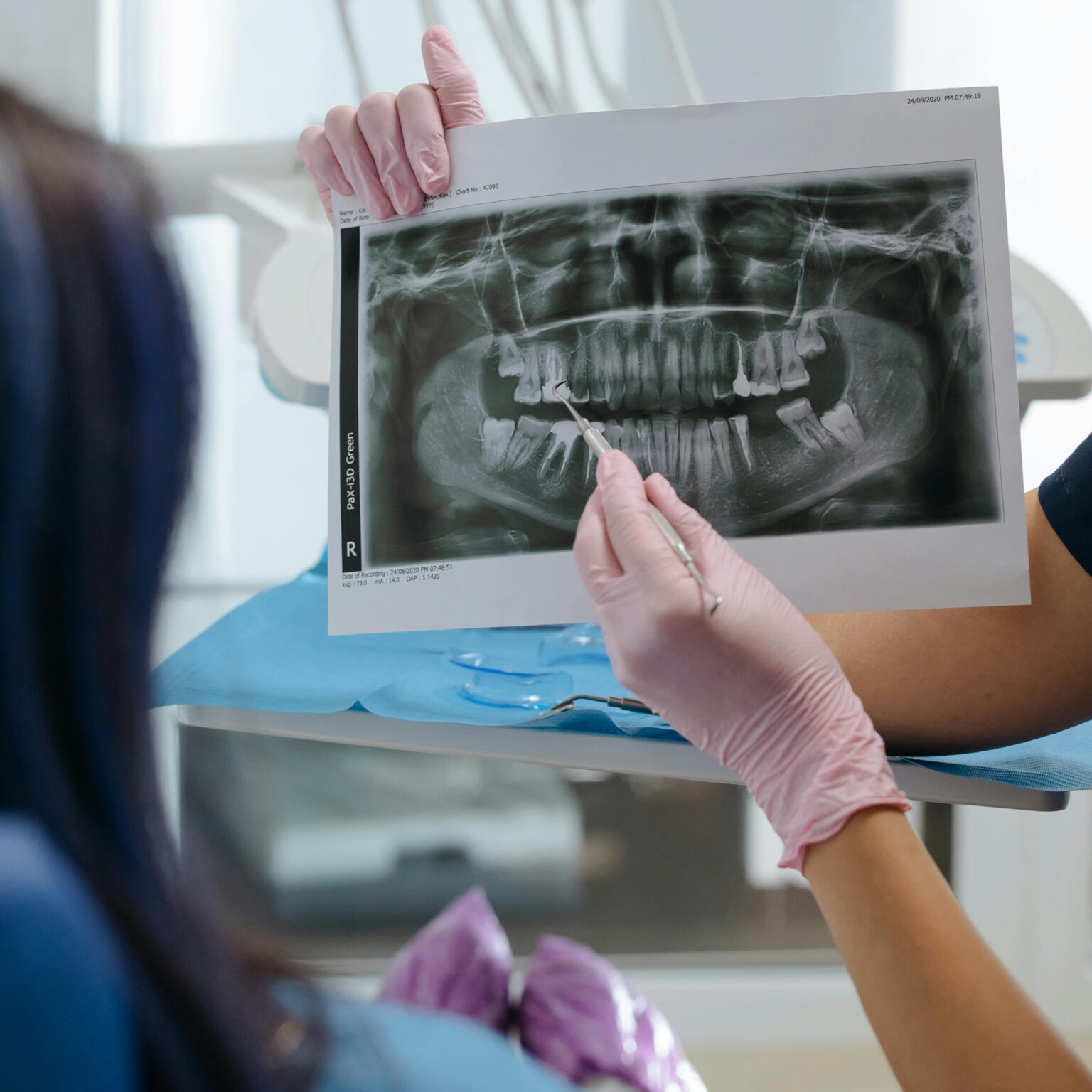
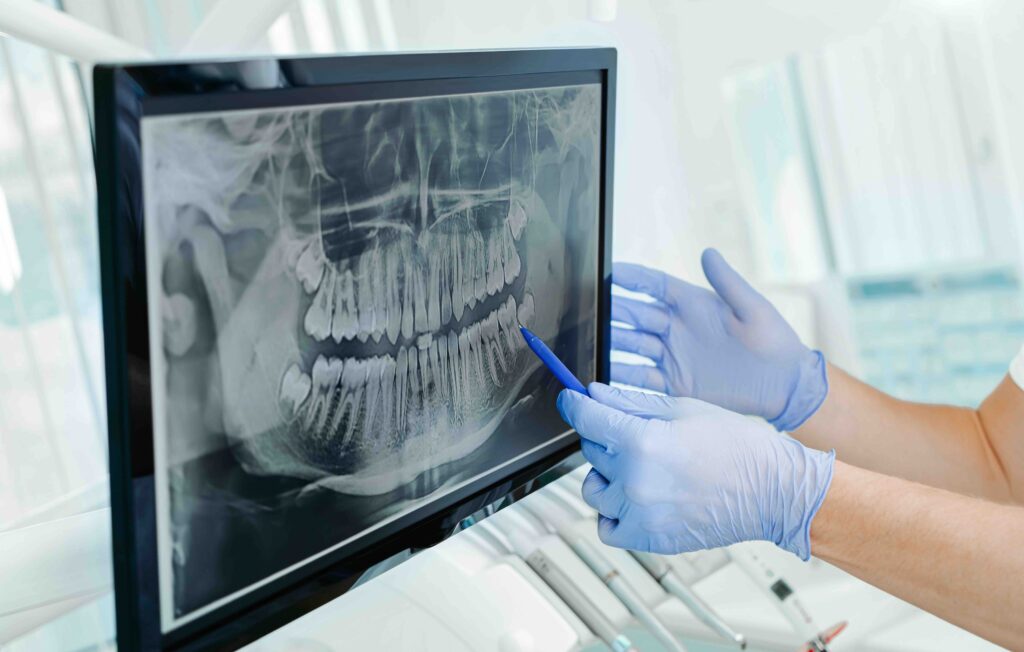
A thorough evaluation usually includes an exam, imaging, and a discussion of health history and habits. Three-dimensional imaging is especially useful because it shows bone height and width, nearby nerves, sinus position, and angulation options that standard X-rays may not capture clearly. This is where experienced judgment matters. The best implant plan is not simply the one that fits an implant into the space. It is the one that aligns surgical possibility with esthetic demands, bite forces, hygiene access, and the patient’s priorities.
The process, from consultation to final smile
Many patients are relieved to learn that implant treatment is structured and predictable. It is not instant, and that surprises some people, but it is usually very manageable when each phase is explained clearly.
The first stage is planning. That includes deciding whether the site is ready now or whether grafting, extraction, or gum treatment should come first. In some cases, an implant can be placed at the same visit as a tooth extraction. In others, the site benefits from a healing period, particularly if there is infection, missing bone, or thin gum tissue in a highly visible area.
Placement of the implant itself is typically done with local anesthesia, sometimes with sedation if needed. Most patients report less discomfort than they expected. The pressure and vibration can feel unusual, but the procedure is often easier than a difficult extraction. After placement, there is a healing phase while the implant bonds with bone. Depending on the case, that can take a few months. During that time, the patient may wear a temporary tooth or provisional restoration so they are not left with a visible space.
Once integration is confirmed, the restorative phase begins. An abutment connects the implant to the final crown or Dental Implants bridge. The shape, shade, contour, and bite are adjusted so the restoration looks natural and functions comfortably. In the front of the mouth, subtle details matter. The emergence profile, the support of the lip, and the way light reflects from the crown all influence whether the result blends seamlessly.
The timeline can vary widely. A straightforward single implant in a healed site may move along efficiently. A more complex case involving extraction, grafting, multiple implants, or full-arch rehabilitation can take longer. Patients generally do best when they view the process as staged reconstruction rather than a quick cosmetic fix. Good implant dentistry rewards patience.
How implants compare with bridges and dentures
Every replacement option has a place. The best choice depends on anatomy, budget, health status, and goals. There is no single solution that fits everyone.
A bridge can be an excellent restoration, especially when the neighboring teeth already need crowns. It is often faster than implant treatment and avoids surgery. The trade-off is that it does not replace the root, and it relies on adjacent teeth for support. Cleaning under a bridge also requires some technique, which not every patient enjoys.
A removable partial denture is usually the least expensive way to replace several missing teeth at once. It can serve well when finances are tight or when surgery is not advisable. At the same time, many patients find partials bulky or unstable, and clasps on visible teeth can be an esthetic drawback.
A full denture can restore appearance and basic function after complete tooth loss, but lower dentures in particular can be frustrating because they tend to move. Implant support can dramatically improve that experience. Even two implants to stabilize a lower denture can make a major difference in comfort and confidence. For some people, that is the treatment that finally allows them to eat and speak without constant awareness of the appliance.
Full-arch implants and life-changing stability
When all or most teeth are missing, implant treatment can move from helpful to transformative. Full-arch implant solutions use a strategic number of implants to support a fixed bridge or to stabilize a denture. The exact design depends on the amount of bone, bite forces, and budget, but the principle is the same: create a foundation that does not slide or rock.
Patients who have worn loose dentures for years often describe the first stable bite as an emotional moment. They feel their food instead of the movement of acrylic. They stop using adhesive several times a day. They speak with less self-monitoring. Their cheeks and lips may gain better support because the prosthesis can be designed with improved contour and position.
These cases are more complex than single-tooth implants, and they demand careful maintenance. Still, for the right patient, the gain in quality of life is substantial. It is one of the clearest examples in dentistry of function and confidence improving together.
What recovery usually feels like
Recovery tends to be milder than patients fear. Most people experience some soreness, swelling, and tenderness for a few days. The amount depends on whether the procedure involved a simple placement, multiple implants, grafting, or extractions at the same time. A straightforward single implant often causes less disruption than people imagine.
The first week is usually about protecting the area, eating softer foods, and keeping the mouth clean without disturbing the site. Discomfort is commonly managed with routine pain medication recommended by the treating clinician. Significant pain, persistent bleeding, or unusual swelling should always be reported, but those are not the norm in uncomplicated cases.
What matters most during healing is respecting the biology. Implants need a quiet environment to integrate. Early overload, poor hygiene, smoking, or skipped follow-up can interfere with that process. Patients sometimes feel fine and assume the area is fully ready before it actually is. The absence of pain is not the same as completed healing.
The maintenance piece no one should gloss over
Implants do not decay like natural teeth, but they are not maintenance-free. The gum and bone around them can still become inflamed if plaque accumulates. Peri-implant mucositis is inflammation in the soft tissue around an implant. Left unmanaged, it can progress to peri-implantitis, which involves bone loss and can threaten the implant itself.
That risk is one reason honest treatment planning matters. Someone with a history of neglected cleanings, uncontrolled periodontal disease, or very poor home care may not be well served by implants until those patterns change. The restoration can be beautifully made and still fail if the environment around it is unhealthy.
Daily care should be simple enough to sustain. That means designing the restoration so it can be cleaned properly and teaching the patient how to do it. Interdental brushes, flossing aids, water irrigators, and regular professional maintenance all have a role depending on the case. When implants are maintained well, they can function for many years. When they are not, problems can be difficult and expensive to correct.
Common concerns patients bring to the consultation
Certain questions come up in almost every implant discussion, and they deserve straight answers.
- Will it hurt more than an extraction?
- How long will the whole process take?
- What if I do not have enough bone?
- Will the final tooth look natural next to my real teeth?
- How long do implants last?
The honest answer to the pain question is that most patients tolerate implant placement very well. Anxiety is often worse than the procedure itself. On timing, a simple case may move faster than expected, while a site needing grafting or tissue development can take several months. Bone shortages are common and often manageable, but not every site can be restored the same way. Appearance depends heavily on planning, tissue quality, and the visibility of the area. Longevity is best discussed as a matter of maintenance and risk rather than a guaranteed number of years. Many implants last a long time, but success is never just about the hardware. It is about biology, bite, hygiene, and follow-up care.
The financial side, and why value is not the same as price
Dental implants usually cost more up front than bridges or removable options. That reality shapes many treatment decisions. It should. Cost is part of honest care, not a footnote. At the same time, price alone can be misleading if it ignores durability, maintenance, convenience, and the cost of replacing alternatives over time.
For a single missing tooth in a healthy mouth, an implant may represent better long-term value because it preserves adjacent teeth and bone. For a patient who needs a faster or more affordable answer now, a bridge or partial may still be the right decision. Good dentistry is not about pushing the most advanced option. It is about matching the solution to the person.
Patients should also be cautious about shopping for implants as if they were commodity items. The implant brand matters, but so do diagnosis, surgical positioning, gum architecture, restoration design, and maintenance planning. A low fee can become very expensive if the case is poorly executed and has to be repaired.
Confidence returns in quiet ways first
People often expect a dramatic before-and-after moment, and sometimes that happens. More often, the confidence shift is gradual. A patient notices they no longer angle their face in photos. They order what they want at dinner instead of what feels safe. They speak in meetings without wondering whether anyone is staring at the gap or the denture movement. Their smile becomes less managed and more spontaneous.
That is the real power of Dental Implants. They restore the visible part of the smile, yes, but they also restore trust in your own mouth. That trust affects posture, expression, and social ease. It influences how present you feel with other people. It removes one more source of friction from daily life.
For anyone living with a missing tooth, several missing teeth, or a denture that never feels quite secure, implant treatment is worth a serious conversation. Not because it is trendy, and not because it suits every case, but because when it is planned carefully and maintained properly, it can rebuild function and confidence in a way few other treatments can match. The best smiles do more than look complete. They feel dependable.
Oaks Dental
5000 Parkway Calabasas Suite 308
Calabasas, CA 91302, United States
+1 818-431-2000
FAQ About Dental Implants
What is the downside of a dental implant?
Implants require surgery and a healing period that can last several months. Possible complications include infection, nerve or sinus injury, damage to nearby teeth and failure to bond with bone. Your dentist should assess your health, bone support and alternatives before recommending treatment.
What do dental implants typically cost?
There is no single price for every implant case. The number of teeth replaced, implant components, final restoration and any grafting or extractions affect the total. Request a written estimate covering every stage and confirm insurance benefits and out-of-pocket costs with the practice.
How long do tooth implants last?
An implant can provide long-term support and may last a lifetime with good oral hygiene and regular dental care, but this is not guaranteed. The crown or other restoration may need replacement sooner. Smoking, gum disease and some health conditions can reduce implant success.