Invisalign Calabasas CA for a Cleaner, Easier Orthodontic Routine
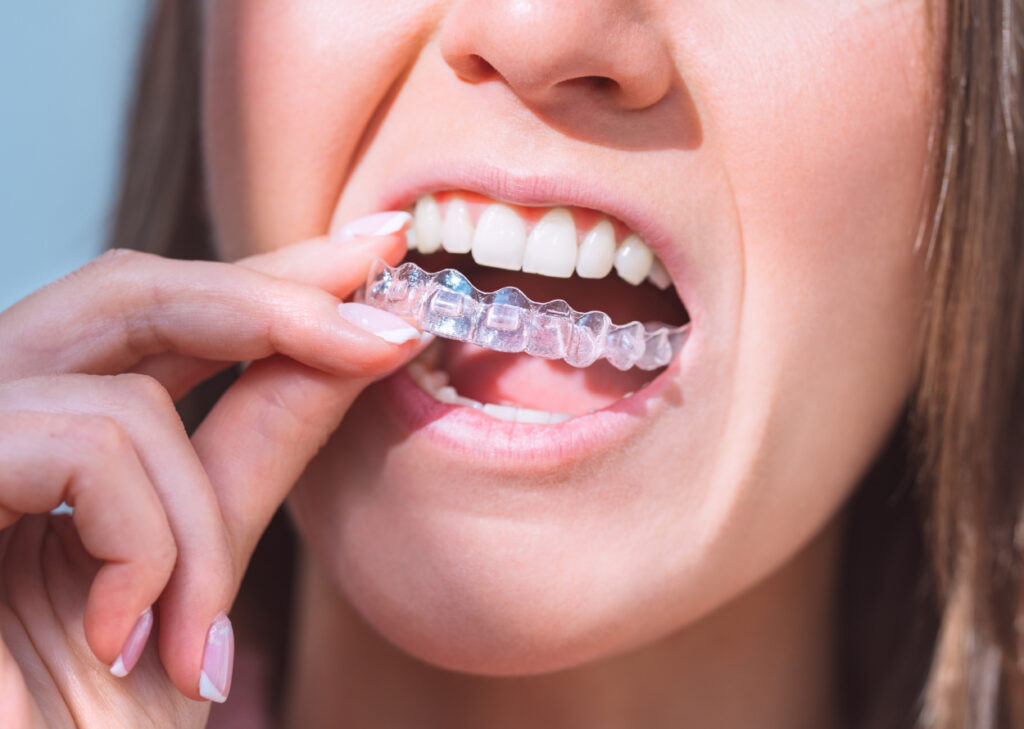
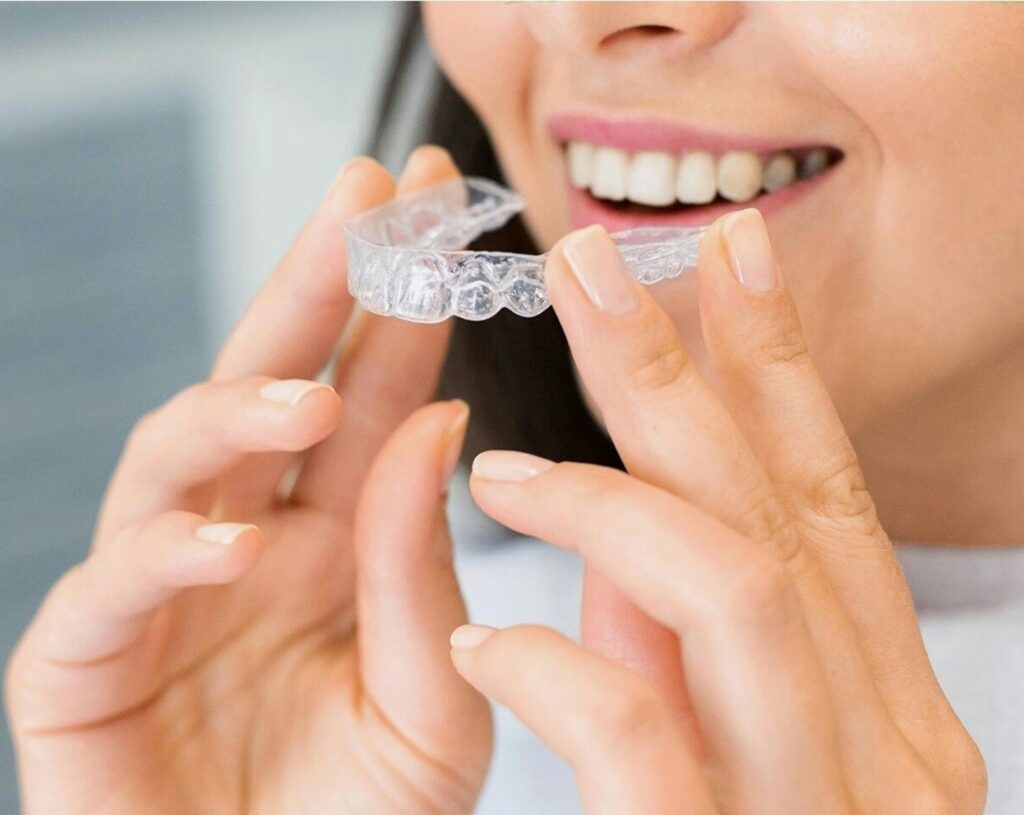
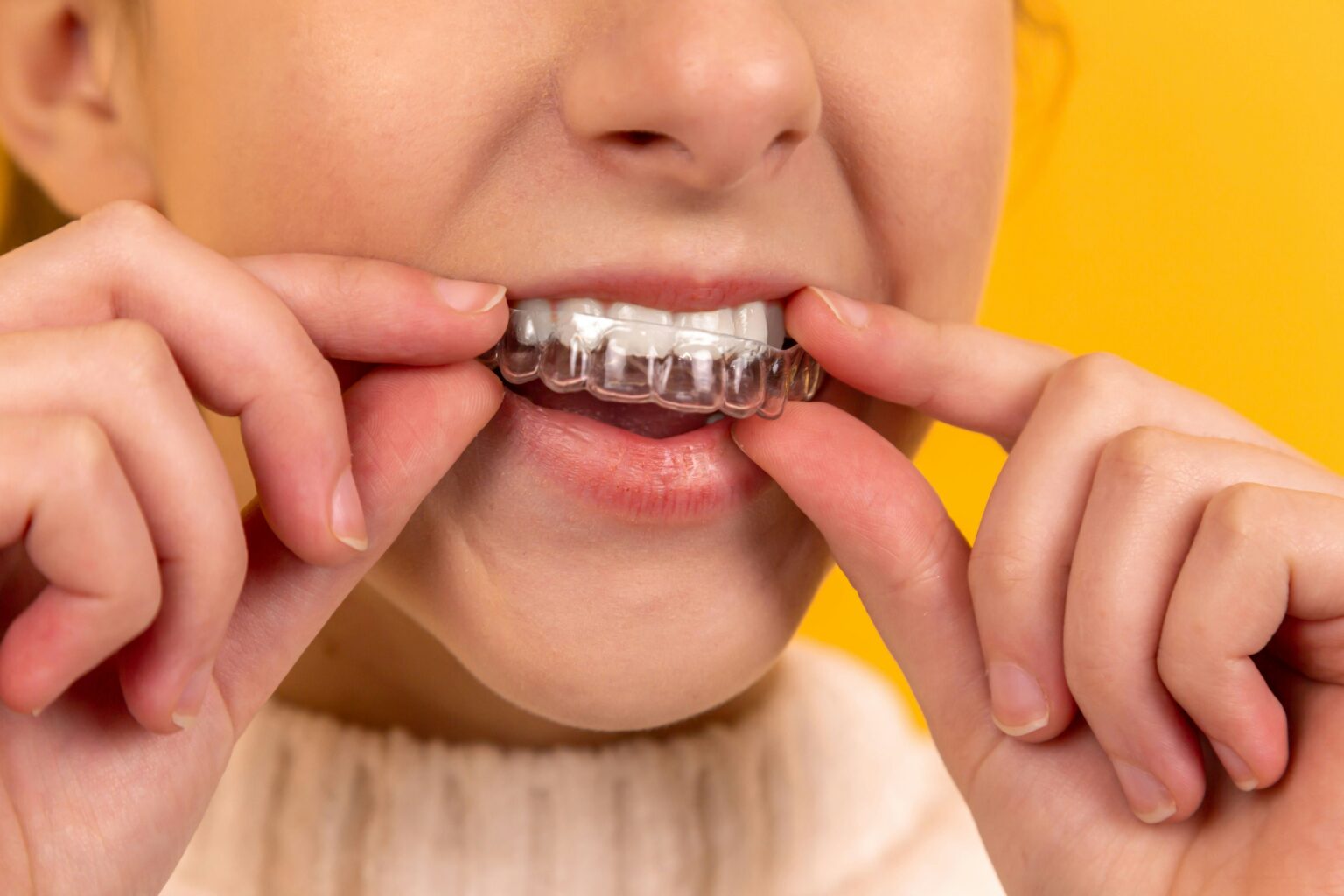
Orthodontic treatment changes more than the position of teeth. It changes how people brush, how they eat, how often food gets trapped, and how much effort it takes to keep the mouth feeling clean at the end of the day. That is one reason so many adults and teens ask about Invisalign Calabasas CA when they are weighing options for straightening their teeth. They are not just thinking about appearance. They are thinking about the daily routine.
Traditional braces can do excellent work, especially for complex bite and alignment problems. Still, anyone who has spent time cleaning around brackets and wires understands the practical challenge. Floss threaders, special brushes, careful mirror work after lunch, and that familiar feeling that something is still stuck near the back molars, it adds up. Clear aligners appeal to people because they often simplify the process. You remove them, brush and floss as usual, clean the trays, and put them back in. The routine is not effortless, but for many patients it is far cleaner and easier to manage.
That difference matters in a place like Calabasas, where schedules are often full and people want treatment that fits into work, school, workouts, social events, and travel without turning every meal into a production. When patients ask whether Invisalign is worth it, the answer often comes down to discipline and fit. If they can wear the aligners as directed and keep up with simple hygiene habits, the day to day experience is usually straightforward.
Why orthodontic hygiene becomes such a big issue
It is easy to underestimate how much orthodontics affects oral hygiene until treatment actually starts. Teeth that are moving can create new tight spaces for a while. Saliva flow changes throughout the day. Snacking habits sometimes shift because patients choose softer foods or eat more frequently. Add fixed hardware to that picture, and plaque has many more places to cling.
With braces, the mechanics are obvious. Brackets create ledges. Wires create obstacles. Elastics collect debris. Even people who have always brushed well can feel like they are playing catch up. It does not mean braces are unhealthy. It means the cleaning routine Invisalign Calabasas CA becomes more technical and more time consuming.
Clear aligners change that equation. Because the aligners are removable, you can brush and floss without navigating hardware. That alone removes one of the biggest barriers to oral hygiene during orthodontic treatment. Patients who struggled with flossing before are often relieved to learn they can floss normally with aligners. There is no threading under a wire and no need to angle around brackets.
That benefit is practical, not theoretical. A patient can step into a restroom after lunch, rinse, brush for two minutes, floss quickly if needed, clean the trays, and move on. The tools are familiar. The motions are familiar. The routine feels closer to ordinary oral care rather than a specialized procedure.
What “cleaner” really means with Invisalign
When people hear that Invisalign is cleaner, they sometimes assume the aligners somehow protect the teeth from plaque on their own. That is not how it works. Aligners are not self cleaning devices, and they can create problems if worn over sugary residue or without proper tray care. Cleaner, in this context, means the system gives patients a better chance to keep the teeth and gums clean because there are fewer fixed obstacles.
If you remove aligners before meals and drinks other than water, brush before putting them back in, and clean the trays daily, you reduce many of the common frustrations seen with braces. Food does not get tangled in wires because there are no wires. Spinach does not wrap around brackets. Popcorn hulls are less likely to turn into a long afternoon problem. People tend to notice this difference almost immediately.
There is also a gum health angle. Crowded or overlapping teeth can be harder to clean thoroughly. As teeth begin to align, patients often find floss slides more predictably and brushing becomes more effective. That benefit is gradual, but it is real. Straighter teeth are often easier to maintain over the long term, provided the bite is stable and retainers are worn afterward.
The daily routine with clear aligners
For most patients, the rhythm is simple enough to learn in the first week. The challenge is not complexity. The challenge is consistency. Aligners usually need to be worn around 20 to 22 hours a day, so every meal and snack becomes part of the treatment routine.
A typical day looks something like this. The patient removes the aligners before breakfast, eats, brushes, and places them back in. The same happens at lunch and dinner. If coffee is involved, many patients either drink it quickly with the aligners out or switch to water between meals Invisalign Calabasas CA to avoid staining and sugar exposure inside the trays. At night, the trays get a more thorough cleaning before bed.
That structure can be a relief for people who like clear rules. It can also improve snacking habits almost by accident. Someone who used to graze throughout the day may decide it is easier to eat at planned times than to keep removing and replacing trays. From a hygiene perspective, that often helps. Fewer eating episodes usually mean fewer acid attacks on enamel and fewer moments where food residue sits on the teeth.
There is, however, a trade off. Braces are always on. Aligners only work when worn. A cleaner routine does not matter much if the trays spend half the day in a napkin at a restaurant or in a car cup holder. The patients who do best with Invisalign are usually the ones who appreciate the convenience without treating it casually.
Why adults in particular often prefer Invisalign
Adults tend to think about orthodontics through a practical lens. They want results, but they also want minimal disruption. Meetings, client lunches, presentations, video calls, and social events all shape the decision. Many also remember friends who had braces as teenagers and have no interest in repeating the cleaning burden.
For adults, the appeal of Invisalign Calabasas CA often comes down to three things at once: appearance, comfort, and maintenance. Clear aligners are discreet. They do not involve emergency visits for broken wires. Most important for many professionals and parents, they preserve a relatively normal oral hygiene routine.
There is a small but meaningful psychological benefit too. Adults are more likely to stay committed to a treatment plan when it feels manageable. If brushing and flossing feel familiar, patients are less likely to avoid the routine. That matters because motivation dips in every long treatment, even when progress is going well.
Parents often notice a similar dynamic in responsible teenagers. Some teens handle aligners exceptionally well because they are organized and image conscious. Others do better with braces precisely because they cannot forget to wear them. There is no universal winner. Case selection matters.
Where Invisalign makes life easier than braces
The simplest comparison is this: braces require you to clean around the appliance, while aligners let you remove the appliance and clean your teeth directly. That difference affects mornings, school lunches, business travel, and every meal out.
Here are the situations where patients most often feel the contrast:
- Brushing after meals is faster because there are no brackets or wires to work around.
- Flossing is more straightforward, with no threaders or special maneuvering under archwires.
- Food choices are less restricted, since hard or chewy foods do not threaten to break hardware when aligners are out.
- Professional cleanings at the dentist are usually less cumbersome during treatment.
- There are fewer surprise hygiene problems tied to trapped food in visible areas.
That does not mean aligners are maintenance free. Trays must be cleaned well, stored properly, and worn consistently. Patients still need regular dental checkups, and some will need attachments bonded to the teeth. Those attachments are small and tooth colored, but they can create minor plaque retention points if brushing is sloppy. Compared with full braces, though, the cleaning burden is often noticeably lighter.
The hidden discipline behind an “easier” routine
The phrase easier routine can be misleading if it sounds passive. Invisalign is easier when the patient participates. A person who takes aligners out, eats, and immediately reinserts them without brushing is creating a warm, enclosed environment over food particles and sugars. Over time, that can irritate gums and raise the risk of decay, especially if oral hygiene was inconsistent to begin with.
I have seen patients thrive with aligners because they treat them like part of their schedule rather than an optional accessory. They carry a small toothbrush kit, keep a case with them, and know exactly what to do after meals. I have also seen patients assume clear trays are forgiving, only to end up with stained aligners, sore gums, or delayed progress because wear time slipped.
The easier routine comes from fewer mechanical barriers, not fewer responsibilities. That distinction is worth making early, because expectations shape outcomes. The people happiest with Invisalign are rarely the ones looking for the least effort. They are usually the ones looking for the most efficient effort.
How to keep aligners and teeth genuinely clean
A few habits make a dramatic difference over the course of treatment. None are difficult, but each one is easier to maintain when it becomes automatic.
- Remove aligners for meals and for any drink besides plain water, unless your orthodontist gives different instructions.
- Brush before reinserting the trays whenever possible, or at least rinse thoroughly if brushing must wait a short time.
- Clean the aligners daily with a gentle method recommended by your provider, avoiding hot water that can warp the plastic.
- Store trays in their case instead of wrapping them in napkins, which is how many aligners get lost or thrown away.
- Keep regular dental cleanings and exams during orthodontic treatment.
Patients often ask whether they need special products. Usually, not many. A soft toothbrush, fluoride toothpaste, floss, and whatever tray cleaner the orthodontic team recommends are enough for most people. Some patients benefit from a travel kit or interdental brushes for cleaning around attachments, but the routine does not need to become elaborate.
One practical note that comes up often: toothpaste can scratch aligners if used aggressively, depending on the product. Many orthodontic offices suggest a gentler cleanser for the trays themselves. The teeth can still be brushed with standard fluoride toothpaste. The details vary by office, but the principle stays the same. Be thorough, and be gentle.
What patients in Calabasas often care about most
Every community has its own patterns, and Calabasas patients often walk in with a particular set of priorities. They want treatment that works, but they also want discretion and flexibility. Busy family calendars, commuting, work obligations, fitness routines, and frequent dining out all shape how realistic an orthodontic plan feels.
That is where Invisalign Calabasas CA often lines up well with daily life. If someone has back to back meetings, it can be easier to slip trays out for a meal and return to a polished appearance afterward without the visible food traps sometimes associated with braces. If a student has sports or performance activities, the removability can feel more convenient. If a patient travels often, fewer urgent hardware issues can be a genuine relief.
Still, local lifestyle cuts both ways. Social eating and coffee culture can make wear time harder if the patient is constantly taking trays in and out. I have seen motivated patients solve that by consolidating meals, switching some beverages to water, and building a routine around their day. I have also seen people realize that their habits fit braces better because they do not want the responsibility of managing removable appliances. Honest self assessment matters more than optimism.
Cases where braces may still be the better choice
It is tempting to frame the decision as old versus new or inconvenient versus convenient. That is too simplistic. Invisalign has expanded what can be treated, especially when planning is careful and patient compliance is strong. Even so, some tooth movements, bite corrections, and complex cases are still better handled with braces or with a hybrid approach.
Severe rotations, significant vertical problems, certain extraction cases, and situations involving poor compliance can all shift the recommendation. The cleaner routine is a meaningful benefit, but it should not override sound treatment planning. Good orthodontists do not prescribe aligners just because patients prefer the idea of them. They match the method to the biology, the bite, and the person.
This is especially important when hygiene itself is part of the clinical picture. A patient with active gum disease, untreated cavities, or a history of inconsistent oral care may need stabilization before any orthodontic treatment begins. Sometimes aligners help those patients because cleaning is easier. Sometimes the underlying habits need attention first. A straightforward conversation early on prevents disappointment later.
The first few weeks: what surprises people
Most patients expect some pressure when they start a new set of aligners, and that is usually accurate. What surprises them more often is how quickly the routine becomes normal. After a short adjustment period, removing trays before meals and cleaning afterward starts to feel ordinary.
Speech changes are usually mild and temporary. Dry mouth can happen in the beginning. Some people notice they become more aware of when and how often they snack. Many find that they drink more water simply because water is the easiest drink with aligners in place. These small changes can improve the overall hygiene picture in ways patients did not anticipate at the start.
The other common surprise is how much cleaner the mouth can feel at night compared with braces. Patients who have experienced both methods often describe braces as requiring more vigilance to achieve the same sense of cleanliness. That is not a scientific metric, but it is a useful practical one. If a routine feels sustainable, people are more likely to maintain it.
Cost, value, and what “worth it” usually means
Cost is part of every orthodontic discussion, and Invisalign sometimes lands in a similar range to braces, though fees vary by case complexity, treatment length, and provider. The value question is not just about the price tag. It is about whether the treatment method fits the patient well enough to deliver a smooth experience and a stable result.
For someone who prioritizes oral hygiene, convenience, and appearance, aligners can offer value beyond tooth movement alone. The easier cleaning routine reduces friction in everyday life. That may sound minor at first, but over 12 to 24 months, daily friction matters. People feel it at work, at school, on trips, and during every rushed lunch break.
Worth also depends on follow through. If a patient loses trays repeatedly or does not wear them enough, the convenience becomes expensive. If a patient wears them faithfully and appreciates the cleaner routine, the value often becomes obvious very quickly.
Choosing the right provider matters as much as choosing the right system
No orthodontic appliance succeeds on branding alone. Diagnosis, planning, monitoring, and communication are what shape the outcome. A good Invisalign provider evaluates whether the case suits aligners, explains realistic expectations, and gives practical instructions that fit the patient’s life.
That includes discussing hygiene in concrete terms. Not generic advice, but the real details: what to do after coffee, how to handle lunches away from home, what cleaning products are appropriate, how often to switch trays, and when to call if something feels off. The best offices make the process feel manageable without overselling it.
When someone is searching for Invisalign Calabasas CA, it is smart to look beyond marketing language. Ask how the office handles attachments, refinements, monitoring visits, and retention afterward. Ask what kinds of cases they prefer to treat with aligners and when they recommend braces instead. Those answers reveal judgment, and judgment is what patients are really buying.
A cleaner routine can support better long term habits
There is one more benefit that deserves attention. Orthodontic treatment can reset habits, not just tooth positions. Patients who spend a year or more removing aligners before meals, brushing more consistently, and paying closer attention to what sits on their teeth often carry those habits forward. That can make the post treatment phase healthier than the starting point.
Retention still matters. Teeth can shift. Nightly retainer wear matters. So do dental checkups and routine home care. But when treatment has been built around an easier, cleaner system, patients are often better prepared to maintain the result.
That is the real promise behind the popularity of clear aligners. Not just straighter teeth, and not just a more subtle look during treatment. For the right patient, the routine is simpler, cleaner, and easier to live with every day. And in orthodontics, the daily routine is where success usually happens.
Oaks Dental
5000 Parkway Calabasas, Suite 308
Calabasas, CA 91302
(818) 643-6521
FAQ About Invisalign Calabasas CA
How many hours a day should I wear Invisalign?
Clear aligners are typically worn for 20 to 22 hours a day. Follow your dentist’s instructions for your specific treatment plan.
What age is best for Invisalign?
Many teens and adults can use clear aligners. A dentist can assess dental development, oral health, and the type of tooth movement needed.
What affects the cost of Invisalign in California?
Cost depends on the complexity and length of treatment and what the quoted plan includes. Ask for an itemized estimate and check any orthodontic coverage with your insurer.